Understanding and Identifying Muscular Imbalances

Muscular imbalances can significantly impact your physical health and performance. They occur when one side of your body is stronger or more developed than the other. This can result in discomfort, pain, and even injury. Understanding these imbalances is crucial for anyone engaged in physical activity, whether you are an athlete, a casual gym-goer, or just someone looking to maintain a healthy lifestyle.
What are Muscular Imbalances?
Muscular imbalances refer to the disproportionate development of muscles between opposing groups. For example, if your quadriceps are much stronger than your hamstrings, this could lead to issues like knee pain and decreased athletic performance. Many people unknowingly develop these imbalances due to their daily habits, exercise routines, and even postural tendencies.
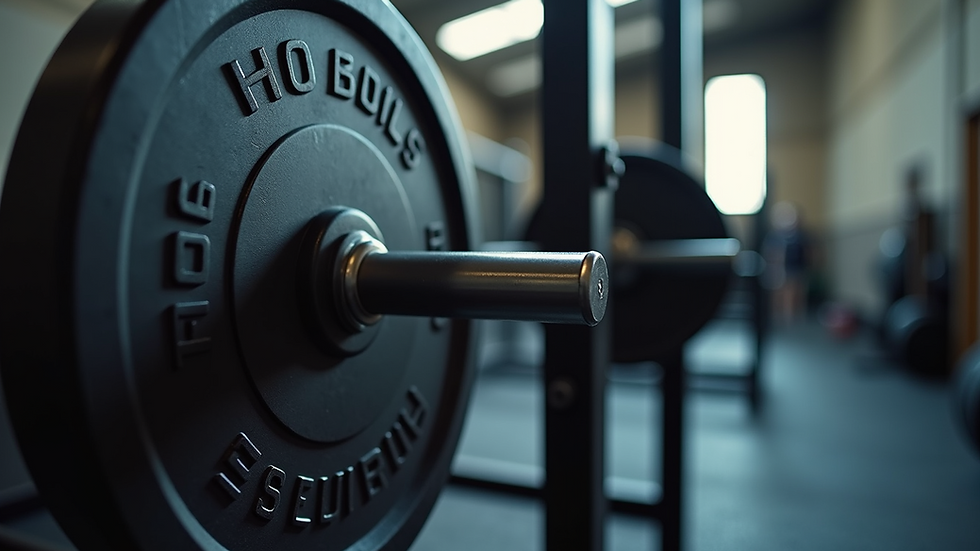
Many factors contribute to these imbalances, including lifestyle choices, exercise habits, and even occupational stressors. For instance, if you spend hours sitting at a desk, you may develop tight hip flexors and weak glutes, leading to hip and lower back pain.
Causes of Muscular Imbalances
Understanding the causes of muscular imbalances can help you target solutions effectively. Some common reasons include:
Sedentary Lifestyle: Spending long hours sitting can weaken certain muscle groups while others become tight.
Improper Exercise Techniques: Lifting weights without proper form can lead to overworking specific muscles while neglecting others.
Repetitive Movements: Activities or jobs that require the same movements, like typing or lifting, can create imbalances.
Inactivity of Supporting Muscles: Larger muscles often overshadow smaller, stabilizing muscles that may be underutilized.
These factors can lead to poor muscle coordination and body mechanics, limiting your performance and increasing your risk of injury.

Identifying Muscular Imbalances
Recognizing muscular imbalances begins with self-assessment. Here are some practical strategies:
1. Monitor Your Flexibility
Tightness in specific muscles can indicate imbalances. For instance, if you find it difficult to touch your toes, your hamstrings may be too tight compared to your hip flexors. Regular flexibility testing can highlight tight areas.
2. Evaluate Strength Asymmetry
Perform a simple strength test by checking the number of repetitions you can perform on each side of your body. For example, do single-arm variations of exercises like dumbbell lifts. If you can lift significantly less weight with one arm, there may be an imbalance.
3. Observe Your Posture
Check your posture in a mirror or have someone take your picture while you stand naturally. Look for uneven shoulders, hip levels, or your head's alignment with your spine. Any noticeable asymmetry can be a sign of muscular imbalance.
4. Consult a Professional
Certified trainers or physical therapists can provide targeted assessments to identify specific weaknesses or imbalances. This can include functional movement screenings as well as personalized guidance.

Being proactive in identifying and addressing these issues is essential for long-term health.
Addressing Muscular Imbalances
Once you identify muscular imbalances, it's essential to address them. Here are some effective strategies:
1. Stretch Tight Muscles
Incorporate stretching routines to elongate tight muscles. Focus on areas where imbalance is noticeable, such as hip flexors and hamstrings.
2. Strength Train Opposing Muscles
If one muscle group is stronger, build the opposing muscles to create balance. If your quads are dominant, incorporate more hamstring exercises like deadlifts or bridges to develop strength equivalently.
3. Focus on Form
Always prioritize good form when exercising. This ensures that the correct muscles are activated and helps prevent further imbalances.
4. Cross-Training Benefits
Engaging in a variety of activities can help balance out strength. For example, if you are a runner, consider incorporating strength training, swimming, or cycling into your routine.
5. Recovery and Rest
Give your muscles time to recover. Overtraining specific muscle groups can lead to exacerbated imbalances. Allow at least a day of rest between intense workouts targeting the same areas.
The Importance of Muscle Balance
Muscle balance is vital for overall health. When your muscles work harmoniously, you'll experience better movement efficiency, reduced risk of injury, and improved strength. Moreover, a balanced muscle structure can enhance your performance in any physical activity.
Muscular imbalances not only affect athletic performance; they can also lead to daily discomforts and chronic pain. Conditions like lower back pain, knee issues, and shoulder problems can often be traced back to imbalances, highlighting the importance of addressing them early on.
Final Thoughts on Muscular Imbalances
Understanding and identifying muscular imbalances is crucial for maintaining optimal health and performance. Through self-assessment and targeted interventions, you can correct these imbalances over time. Regular monitoring and lifestyle adjustments will not only enhance your physical capabilities but also prevent future injuries.
If you’re curious to learn more about how to address these concerns, visit Quick Step Fitness for detailed resources and guidance.
Take charge of your health today. Identify, understand, and address your muscular imbalances for a stronger, more balanced body!


Comments